
In recent months the spotlight on cutting tools has shifted from raw numbers and thin marketing lines to practical value: how a blade performs on a real job, how long it stays serviceable, and what it saves in time, material and headaches.
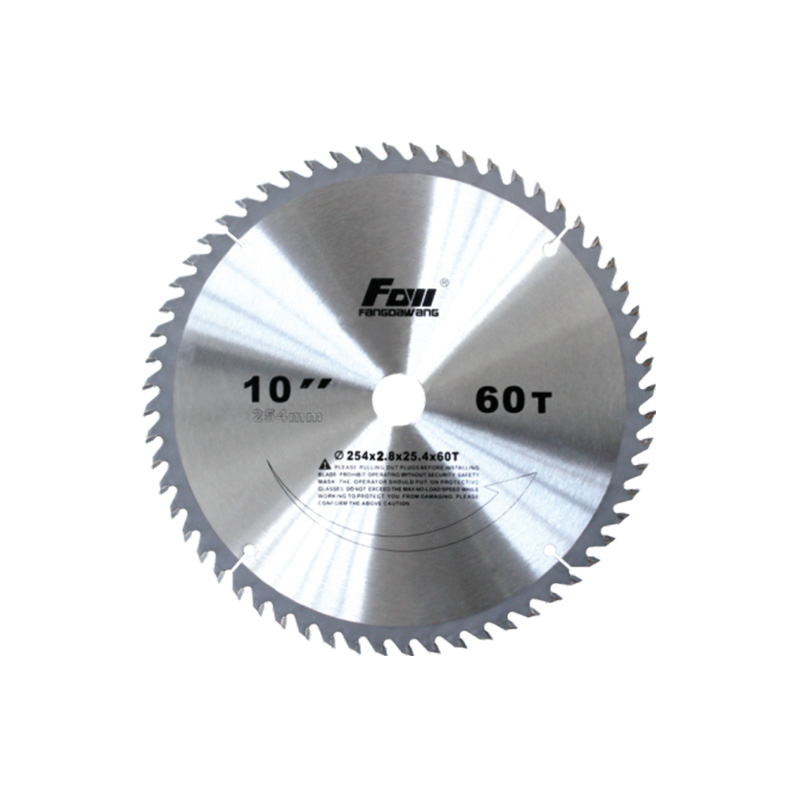
It may sound obvious, but the cutting element—the blade itself—remains one of the most influential parts of any timber-processing setup. The choice of cutting edge affects kerf width, finish quality, chip control, noise and the life cycle cost of an operation. For small shops and large-scale contractors alike, smarter blade selection can translate into smoother production flow and fewer corrective operations.
Below are several frequent, everyday gains observed when upgrading or selecting a well-matched timber cutting disc:
A well-engineered blade can produce cleaner edges that require minimal sanding or trimming. That reduces both labor time and the use of abrasive consumables. The result: faster throughput and a nicer surface ready for finishing or assembly.
Predictable performance across species
Woodworkers handle a range of timbers—softwoods, hardwoods, engineered panels—and they value predictability. Modern designs aim to balance coating, tooth geometry and body stability to hold consistent cutting behavior across multiple materials, which simplifies job planning.
Manufacturers are paying more attention to damping and body flatness. Less vibration equals better operator comfort, lower noise exposure and improved dimensional accuracy during cuts.
While this article avoids numeric claims, longer usable life is frequently reported when a blade is matched to the application and maintained properly. Longevity means fewer blade changes, lower downtime and fewer inventory SKUs to manage.
Blades that cut smoothly and resist grabbing mitigate dangerous kickback scenarios. Combined with proper guarding and feeding techniques, a stable cutting tool contributes to a safer workplace.
Choosing the right cutting disc does not require parsing technical spec sheets at the micro level. Consider these practical decision points instead:
What materials will you cut most often? (Solid timber, cross-laminated panels, plywood, MDF?)
Which finish is acceptable after a primary cut — does the workpiece go straight to finish or will it be machined further?
How important is cycle time compared with the cost per cut?
Is noise or vibration a particular concern on the site?
What maintenance and sharpening workflow is feasible for your operation?
Answering these questions focuses evaluation on application-fit rather than abstract claims.
Across multiple shops and contract settings, three common scenarios keep coming up:
Cabinet shop: A producer switched blade styles when they moved from rough dimensioning to tighter tolerance panels. The result was fewer edge-sand passes and less rejected material.
On-site framing: Crews replacing an aging blade line noted less kickback and fewer interrupted cuts in damp or glued lumber.
Panel processing: A manufacturer processing coated boards emphasized improved chip ejection and reduced burning on edges after altering blade geometry and anti-friction measures.
These snapshots are practical stories that point to the everyday influence a blade can have on operations.
Even the best cutting element needs sensible care. Here are straightforward practices that help keep performance steady:
Inspect the blade visually before mounting—look for missing teeth, cracks or warping.
Keep arbor and flanges clean for proper stabilization.
Use appropriate feed rates; forcing a cut increases heat and stress.
Rotate blades used for finish cuts to distribute wear when possible.
Store discs flat and away from humidity or corrosive chemicals.
Use re-sharpening services when tooth wear affects finish; some blades are more amenable to repeated service.
Simple habits often extend service life more than incremental design tweaks.
Sustainability in timber processing is not just about material sourcing; it includes waste reduction and energy efficiency. Choosing a blade that reduces tear-out and avoids excessive overheating can lower scrap rates and the energy consumed per finished part. Additionally, blades that hold their edge longer reduce the frequency of replacement, which in turn reduces manufacturing footprints and logistics emissions tied to procurement.
Regulatory and industry standards require adequate guarding, proper PPE and worker training. While selecting a blade, ensure it is compatible with existing guards, spindle speeds and machine safety features. A well-matched cutting edge lowers abnormal loads on saw motors and keeps machines operating within intended safety envelopes.
Not every operation needs a specialty disc, but here are situations where a targeted solution makes sense:
Cutting highly abrasive engineered panels that rapidly dull general-purpose edges.
Making ultra-fine finish cuts where sanding is minimized or eliminated.
High-volume, continuous feed operations where changeover time and downtime are critical.
Environments where noise limits or vibration constraints are strict.
Specialized offerings aim to solve specific production pain points rather than be a universal answer.
| Consideration | General-purpose blades | Application-focused blades |
|---|---|---|
| Versatility | Broad but compromises possible | Optimized for particular tasks |
| Maintenance ease | Often easier to re-sharpen | May require specialized service |
| Surface finish | Good for many tasks | Superior where finish is primary |
| Cost model | Predictable replacements | Potentially lower lifetime cost if matched well |
| Noise and vibration | Variable | Engineered to reduce disturbance |
Beyond the tool itself, suppliers add value through: practical selection guidance, after-sales service programs, and clear use recommendations. Good vendors help customers match a blade to real operational profiles rather than defaulting to the same solution for every job. That consultative approach reduces costly trial-and-error and accelerates the pace at which shops realize process gains.
Myth: A thicker blade is always more durable.
Reality: Durability depends on many factors including metallurgy, tooth design and operating conditions. Thickness alone doesn't tell the whole story.
Myth: A single premium blade covers every need.
Reality: Versatility comes at a compromise. For many operations, a small set of purpose-matched blades is more efficient.
Myth: Sharpening always restores original performance.
Reality: Some geometries and coatings are altered by repeated sharpening. Knowing a blade's serviceability limits helps plan replacements wisely.
The woodworking and construction sectors have seen modest but meaningful shifts:
A push toward reduced noise and vibration for operator comfort.
Adoption of coatings and treatments aimed at cut-life extension without performance trade-offs.
Incremental advances in tooth geometries targeted at composite and engineered materials.
Greater emphasis on servicing and recyclability as part of lifecycle thinking.
These trends reflect user demand for tangible workplace improvements rather than headline claims.
When assessing a new cutting solution, consider the following checklist:
Confirm compatibility with machine RPM and arbor dimensions.
Request real-world testimonials or case studies from similar operations.
Clarify re-sharpening and warranty terms.
Discuss expected finish and tolerance outcomes for your most common tasks.
Ask about packaging and storage recommendations to preserve condition before use.
A short procurement conversation guided by these points often prevents mismatches.
A cutting tool is a quiet but powerful lever in any woodworking or timber-oriented operation. Modern timber-focused saw blades—when chosen and maintained with careful attention to application—can improve finish quality, reduce waste, increase operator comfort and simplify workflows. Rather than hunting for dramatic claims, the smarter path is to align a blade's behavior with the real conditions of the shop or site: the species and condition of wood, the production tempo, and the allowable maintenance rhythm.
FangDa and other suppliers presenting blades in today's market are part of a larger shift toward measurable, everyday value. For professionals and hobbyists alike, the choice of cutting element should be a strategic one: the right disc can shave minutes off a sequence of tasks, preserve material value, and keep operations running more predictably.

Industrial Zone, Meirong Town, Yueqing
City, Zhejiang Province, China

fangda05@fangdatools.com.cn

+86-0577-62298888
+86-0577-62299999

+86-0577-62295777
+86-0577-62297777
Copyright © Fangda Holding Co., Ltd. All Rights Reserved Metal Drill Bit Sets Suppliers
Этот веб-сайт использует файлы cookie, чтобы обеспечить вам максимально эффективное использование нашего веб-сайта.

 English
 Español
 Portugues
 Français
 Deutsch
 日本語
 한국어
 العربية
 ไทย
 Türk dili
 हिन्दी
 Melayu
 o'zbek
 basa jawa
 Кыргызча
 Afrikaans
 Afaan Oromoo
 brezhoneg



 WhatsApp
 телефон
Комментарий
(0)